The Ray
Fund

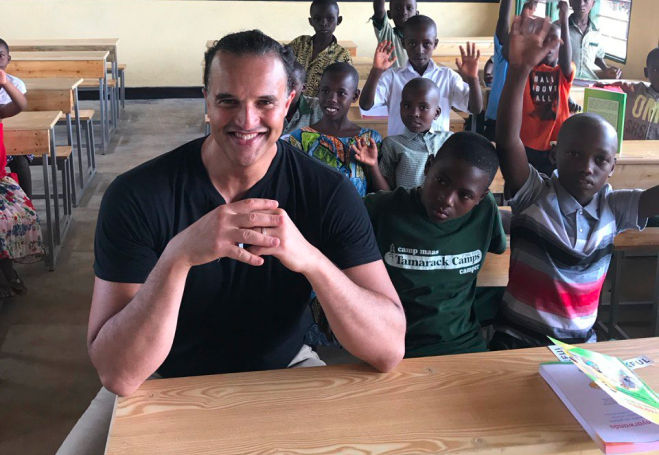
In 2017, Ray built his first school in Nayamata, part of the Bugesera district of Rwanda. Aside from the classrooms and other facilities, his team dug a well with a 15,000-liter storage tank for clean drinking water, installed solar panels to power the filtration system, and also paid for the children’s schoolbooks and uniforms.
In 2017, Ray built his first school in Nayamata, part of the Bugesera district of Rwanda. Aside from the classrooms and other facilities, his team dug a well with a 15,000-liter storage tank for clean drinking water, installed solar panels to power the filtration system, and also paid for the children’s schoolbooks and uniforms.
“When I was young, I wanted to be successful. To most people, that means making a lot of money, and I do like making money. But money doesn’t motivate me; it doesn’t drive me. When my first crypto business started to make a lot of money, I’d already planned how to give back to the community around me – it was built into my business model. I know I won’t be happy if I’m successful and the people around me are not, and that’s why I started Built with Bitcoin (BwB) shortly after I founded Paxful. Later, when the new owners of Paxful shut BwB down, I knew I had to continue the work, and that’s why I started the Ray Fund”.
Projects
School in Machakos County, Kenya
In 2020, Ray gave the approval for his team to build the third of his 100-school Global South target. In Machakos County, east of the Kenyan capital, Nairobi, Ray built a 6-classroom school in addition to a teacher lounge, a technology center, and a solar-powered water filtration system.
More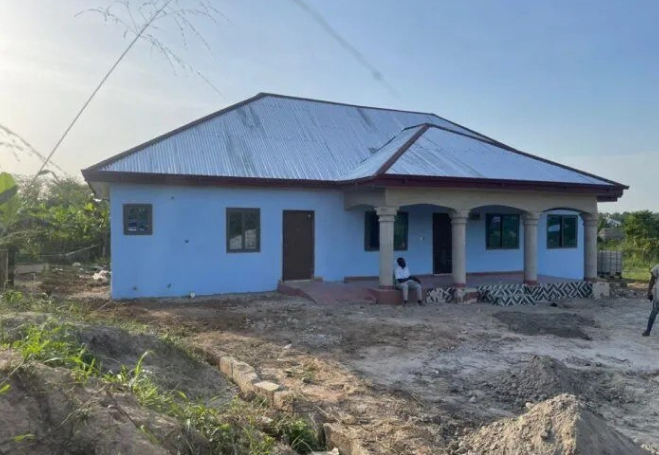
Education Center in Ejisu, Ghana
In December 2022, Ray opened a technology center in Ejisu, Greater Kumasi, Ghana. The center was designed as “multi-room, co-op and incubation center” to help improve financial literacy, develop tech skills, and help locals learn about cryptocurrency in order to benefit from the opportunities it provides.
More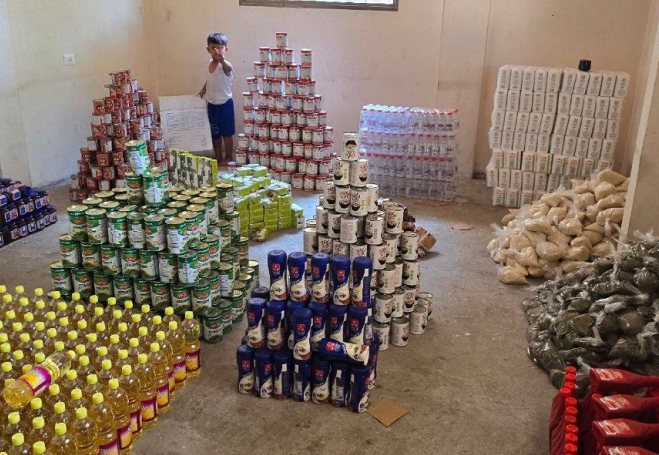
Humanitarian Relief during the Gaza War
In 2017, Ray’s crypto business was gaining traction worldwide, largely due to the explosion of crypto adoption in Africa that he had driven. His company Paxful, was making a lot of money and he’d already decided that his business model would include “giving back” – so he looked for projects in Africa that needed funding. While scrolling through Instagram one day, he read about “Education is Life” in Rwanda and contacted the organizers.
More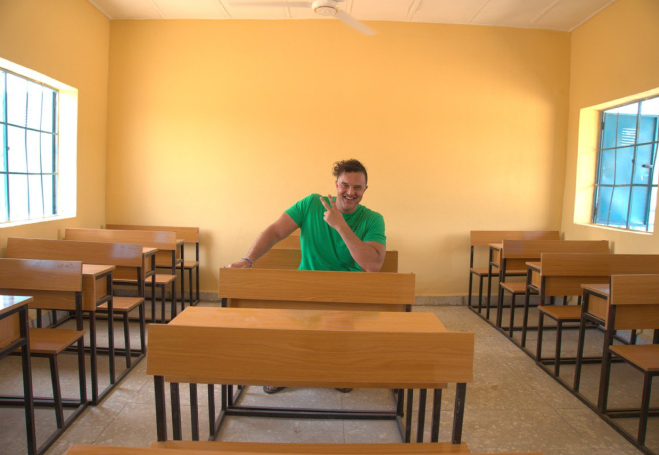
School in Sanga, Nigeria
In 2022, Ray partnered with Bitcoin Magazine to raise funds at that year’s Bitcoin Conference in Miami for a cause close to his heart. “I had a lot of success in 2021 and a big part of that was due to Nigeria. The people there really embraced crypto, and they also embraced my business. I have to give back to Nigeria; I have to do whatever I can to help them succeed.”
More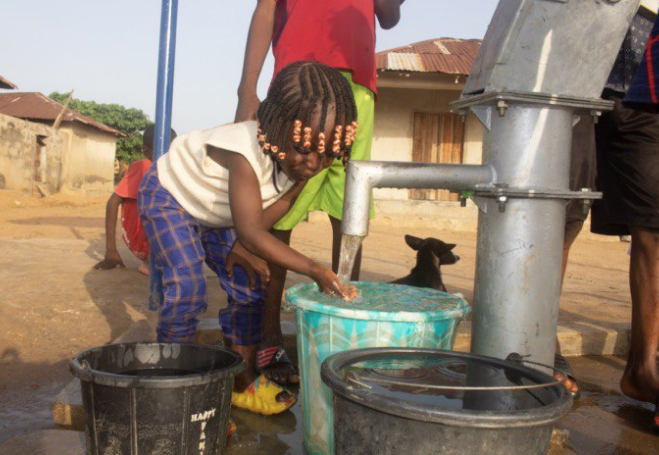
Clean and Sustainable Water Project in Igbaruku, Nigeria
In 2022, Ray partnered with Bitcoin Magazine to raise funds at that year’s Bitcoin Conference in Miami for a cause close to his heart. “I had a lot of success...
More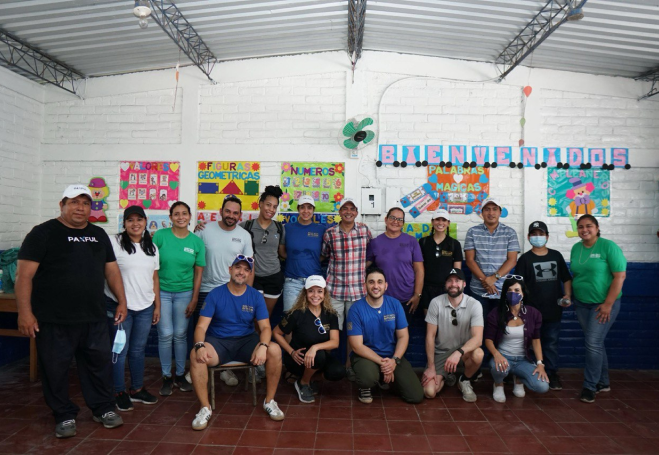
The “Bitcoin Boat” and Education Center in Isla Tasajera and San Salvador, El Salvador
In 2022, El Salvador was a hub for the crypto scene in Latin America, so Ray naturally made a visit to meet some of the people driving crypto adoption. While he was there, he heard about a small island village called Isla Tasajera, about two hours southeast of the capital, San Salvador. Remote communities like Isla Tasajera are often the first to embrace cryptocurrency because they are usually under-serviced by traditional financial institutions
More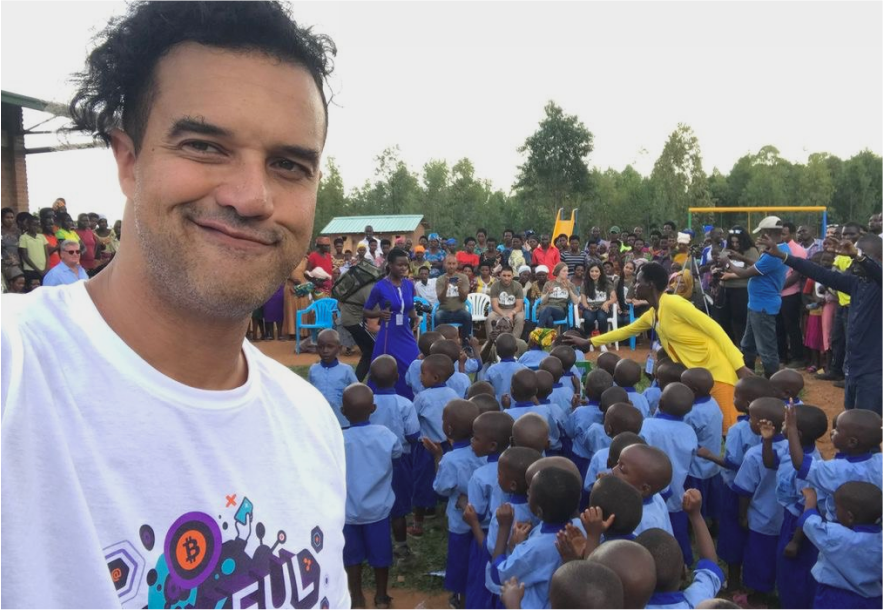
School and Infrastructure Project in Bugesera District, Rwanda
In 2017, Ray’s crypto business was gaining traction worldwide, largely due to the explosion of crypto adoption in Africa that he had driven. His company Paxful, was making a lot of money and he’d already decided that his business model would include “giving back” – so he looked for projects in Africa that needed funding. While scrolling through Instagram one day, he read about “Education is Life” in Rwanda and contacted the organizers.
Moreof his business profits given back
As part of his business model, Ray returns 50% of his profits to his customers and the communities where his businesses operate. When he first realized that cryptocurrency and peer-to-peer (p2p) were part of the solution to problems with the global financial system, Ray made it his mission to help the people whose lives are most affected by those problems.
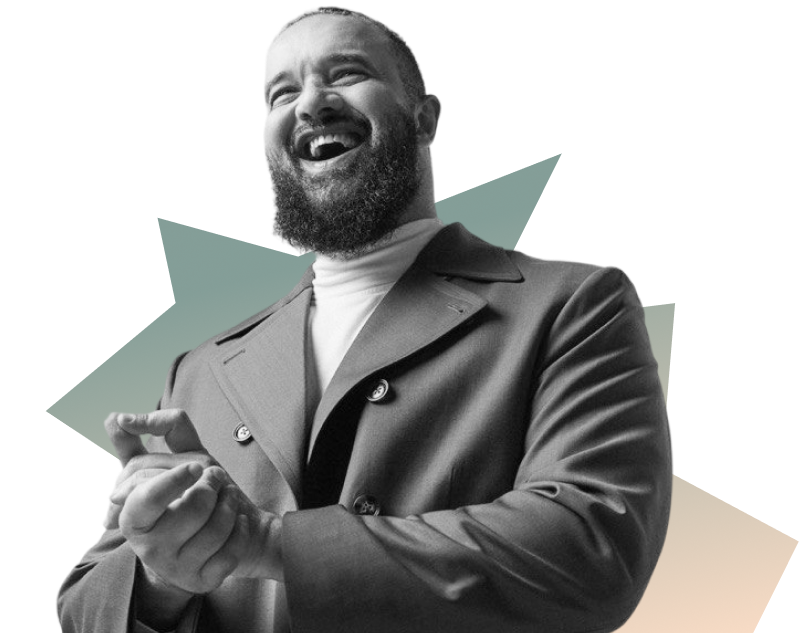
For Ray, providing aid was not an act of charity. It was an investment in the people he considers his partners. They contribute to his success, so he feels compelled to contribute to their success. Sometimes that means giving back part of his profits in bonuses and incentives, but sometimes it means helping people with schools, education centers, community facilities, and other local infrastructure.
He didn’t see those people as customers; he saw them as fellow human beings. His crypto p2p businesses provided great financial solutions, but many of the people who needed help negotiating the financial system also needed infrastructure like schools, clean water facilities, and solar power.